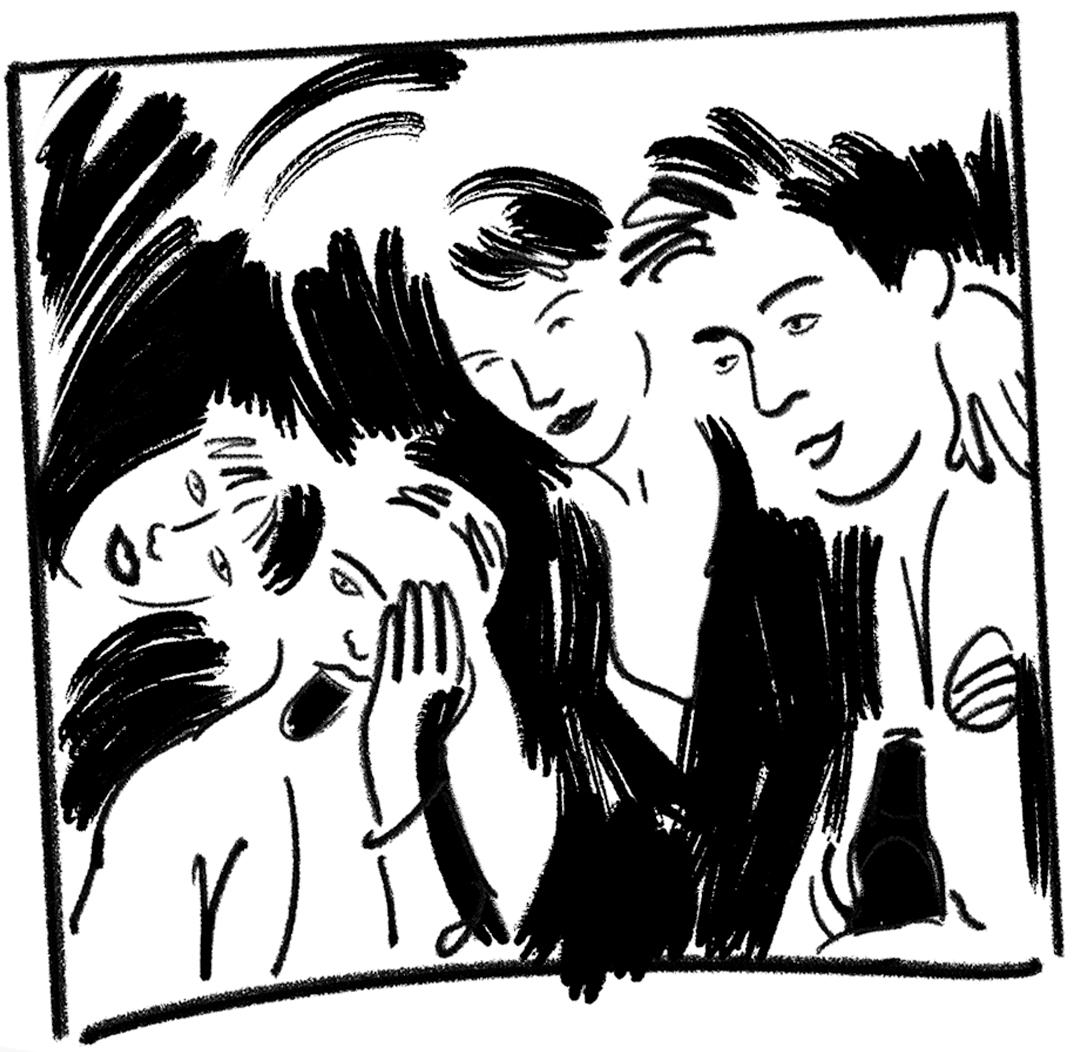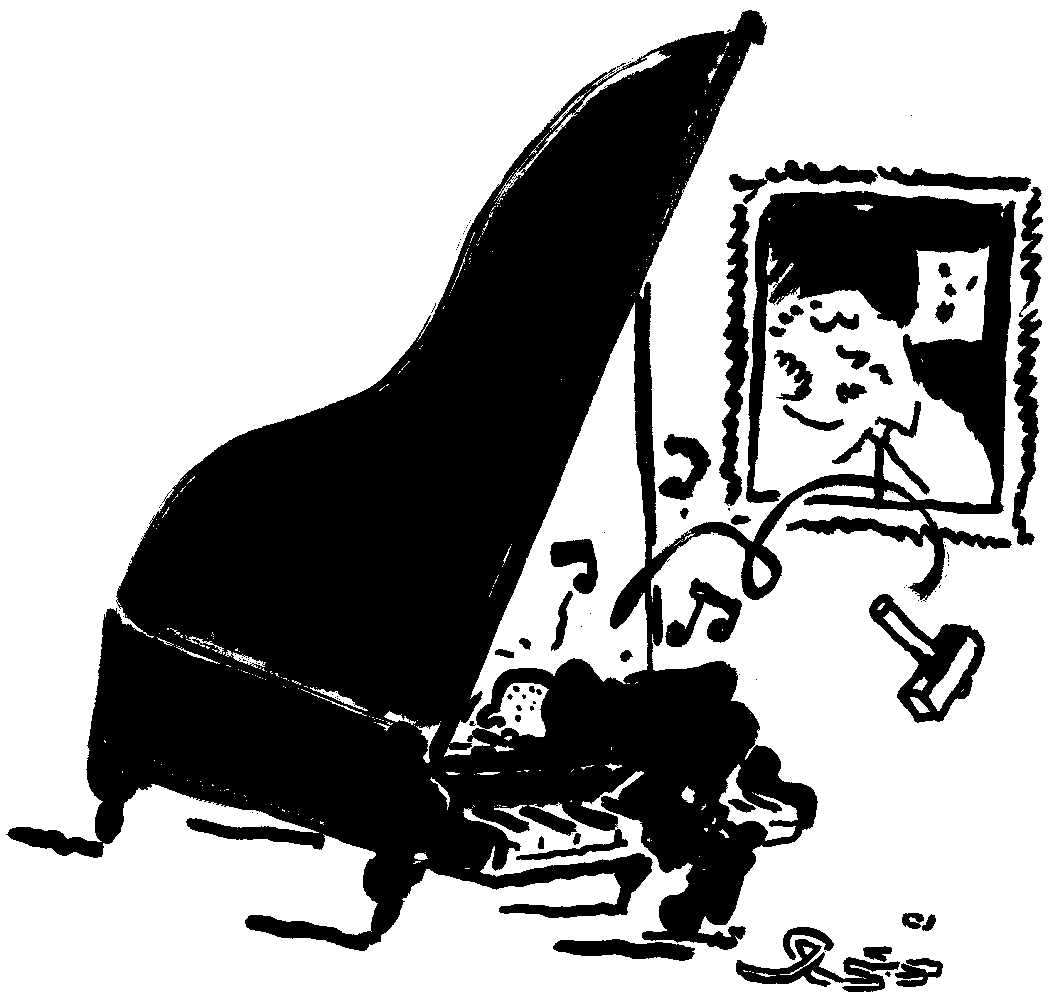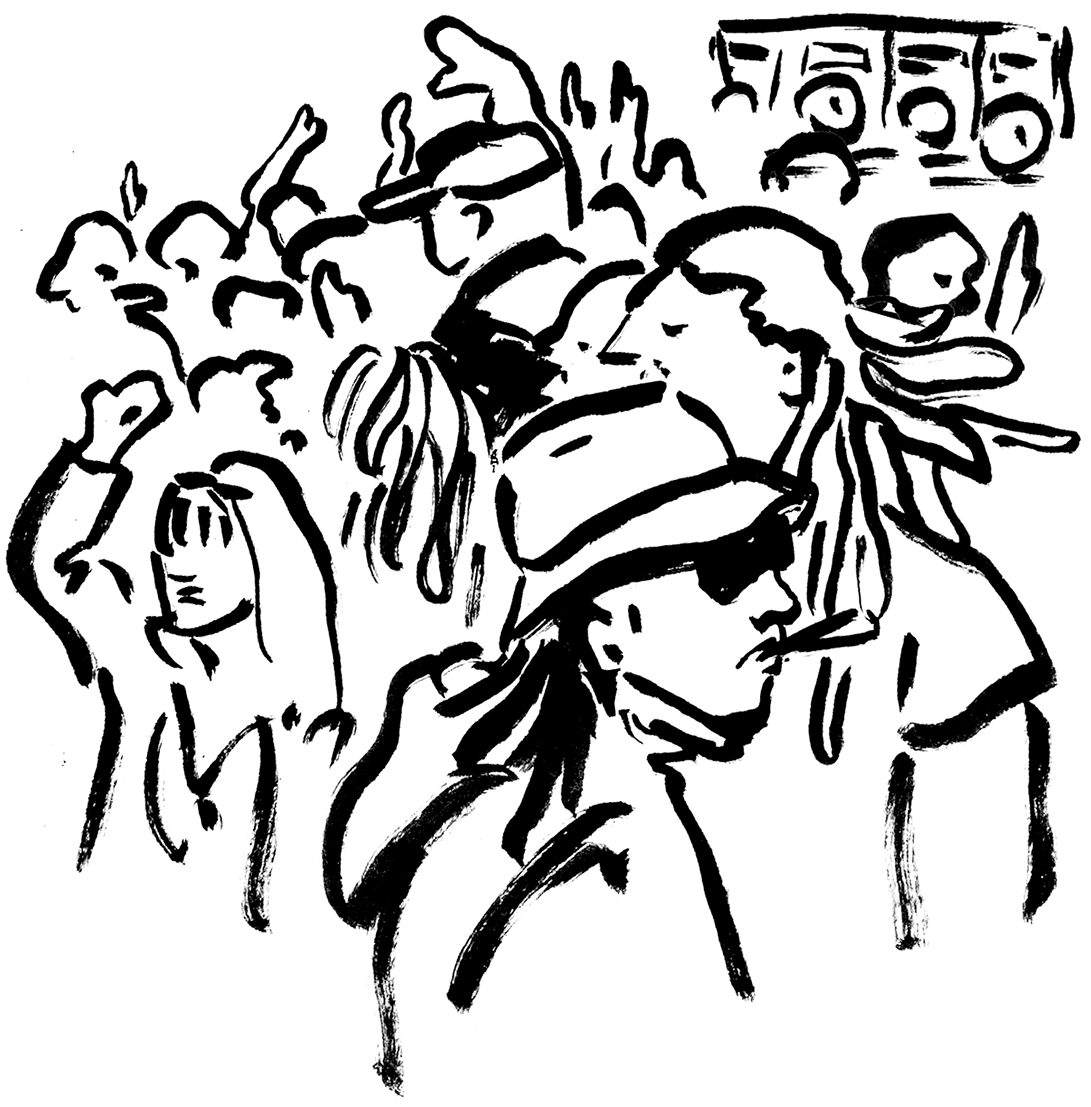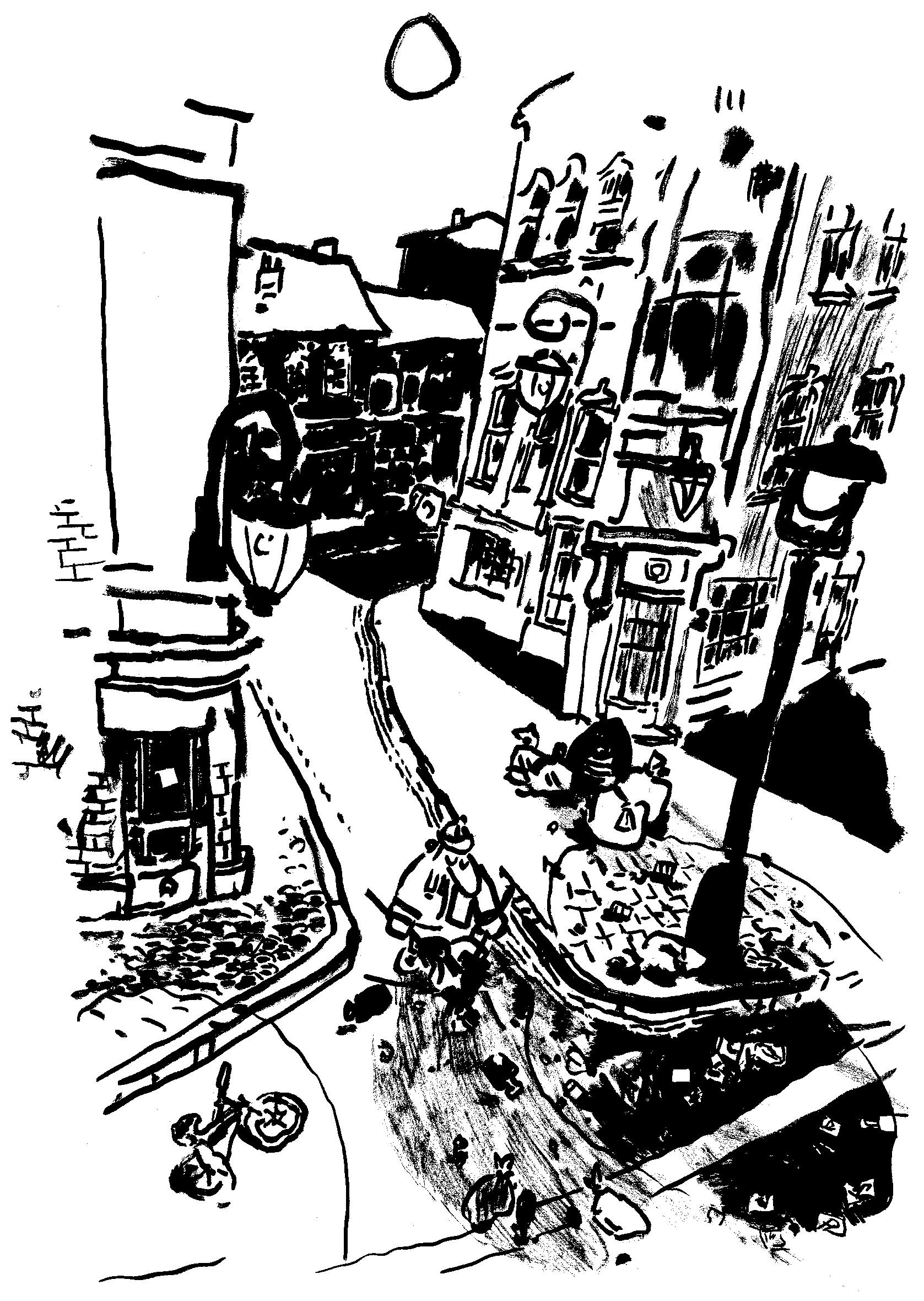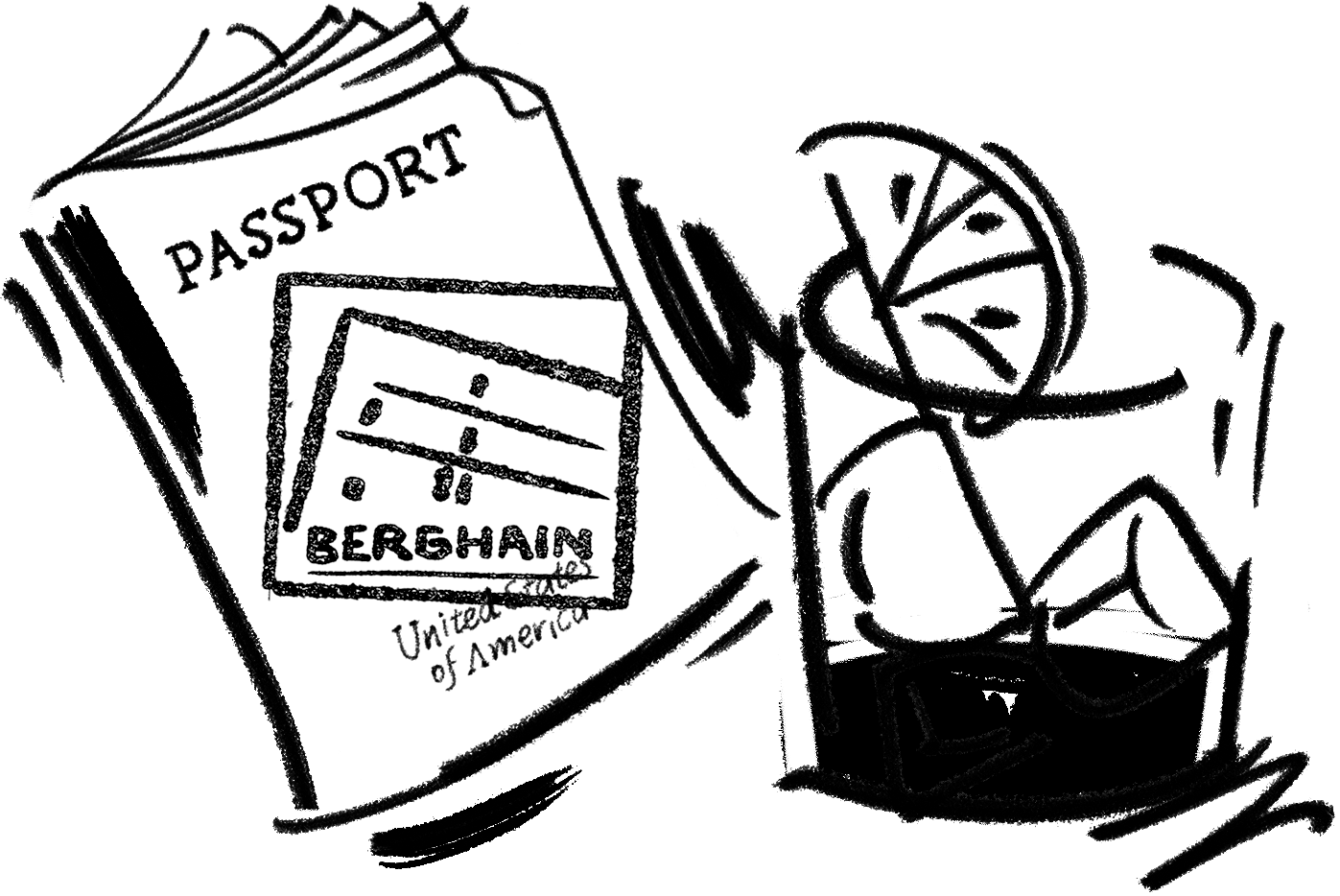
A regular week used to look like this: I’d fly to Europe on a Thursday night. Then I’d drag myself to a hotel and sit there, waiting four hours for a room. Once inside, I’d sleep the day away. By 11pm, I’d head to the venue. The opener would be spinning drum and bass to a dozen people. I’d nod at the sound tech, exchange a few words. By 4am, the set would be done. I’d grab three hours of sleep, then the airport, then repeat. Always the same, always moving. Music took me around the world, but all I ever saw were airports, hotels, restaurants and venues. Sometimes the hotel was inside the airport. Sometimes the restaurant was part of the venue. One blurred into the next. Once, in Turin, I drank Nagroskis – like a Negroni, but with vodka instead of gin. I had a few, and at some point, it made sense to start marking my passport with the club’s entrance stamp. Seemed like a good idea at the time, but was harrowing when transferring around countries for the next week. In peaceful moments I would often take a walk to get lost in the city. I imagined a life there, not so different from my own. Where would I find coffee? Where would I buy my groceries? How do people meet one another? In bars, perhaps, or through friends. In those days, I felt the most alive and the most alone all at once.
This is what happened to me, as a touring DJ, once I became a parent: I was in bed by 11 each evening, sober, the hum of a white-noise machine drowning out the laughter rising from people having fun in the kitchen below. My tiny daughter, and standard-sized girlfriend, both fast asleep beside me.
I knew that my fellow touring artists had experienced similar things. That, yes, they’d developed a new sense of self and mission, but what happened to their time, their craft, their sanity? Axel Boman – DJ, producer, father and member of Studio Barnhus – says he went in with great expectations. ‘You think it’s going to be more time at home, more chill,’ he tells me. ‘But no. Fuck no. This, right here, is the real challenge.’
Things haven’t chilled for me either, even if I am in bed before my usual DJ set times. The little time I get in the studio feels different now, like it’s already spoken for. I take on projects that other artists will later tour without me. It’s remote work in a way, but it feels like something else too. Like part of me is out there with them.
‘If I miss one thing,’ confides Jamz Supernova, BBC DJ, label head and mother, ‘it’s live music. I miss going to gigs that have nothing to do with me.’ Jamz and Axel make it look easy. They parent with grace, downloading the knowledge that comes with the work, and seem to approach it all effortlessly. I admire their style, both in the club and at home.
‘I’ve got a very supportive partner,’ Jamz says, ‘he’s the one mostly at home when I’m out gigging.’ Jamz and Axel still hit the road, but now time away is just the gig. And the travel days. Maybe just one tequila.
‘The most mundane things become the most precious,’ Axel says. ‘The best memories aren’t the big vacations or the first trip to the zoo. It’s moments like when she came up to me and suddenly said, “fucking hell”. And I thought, my God, I love you. This is so cool. I’m not supposed to laugh or encourage it, but I’ll never forget it.’
Parenthood for a DJ is losing your edge and searching for it in a playground. The laughter and chaos swirl around you, but you can’t find what you had. You dig through the sand, look in the slides, but it slips away. You remember the thrill, but it’s changed, buried beneath a pile of diapers. Every performer adjusts differently, most don’t stop travelling. I did.